Water Pressure Diagnosis
We test static and flowing pressure for homes; access and the number of test points shape a typical $90–$200 diagnostic visit.
A booster pump adds pressure when a home’s existing supply cannot keep up with demand. Alabama Plumbing Pros installs systems for Alabama properties, accounting for pump capacity, electrical needs, and the water source.
Browse all service options available across Alabama and choose the right fit for your project.
We test static and flowing pressure for homes; access and the number of test points shape a typical $90–$200 diagnostic visit.
We repair residential booster pumps, checking pump controls and connections; repair costs depend on pump size, parts, and access, with many jobs around $150–$500.
We trace sudden pressure loss for homeowners, checking household supply and connections; storm interruption near Point Mallard Park or Toomer's Corner can affect pumps and systems.
We clear showerhead restrictions and address weak flow; typical repairs run $150–$500, depending on access and parts. Southern Alabama winters are mild, but summer irrigation can strain household use.
We restore weak well pressure for homeowners, checking pump controls and pressure equipment; typical repairs run $150–$1,200, depending on parts and well access.
We repair leaking home water lines, including buried sections; typical jobs run $300–$2,000, driven by leak location and excavation access.
Hot-water flow repairs for homes, including checks of heater connections and hot-side piping; scope and access shape the job cost.
Clogged water pipe repair clears debris and scale from residential lines; typical jobs run $150–$600, depending on pipe access and blockage severity.
We repair or replace residential pressure tanks, including tank and piping work; replacement commonly runs $500–$1,500, depending on tank capacity and piping access.
We repair or replace residential pressure regulators, including brass valves; typical work runs $250–$700 depending on valve size and labor. Nearby Bellingrath Gardens and Home, Bryant-Denny Stadium, and Chewacla Stat...
We repair whole-house filter housings, seals, and cartridge connections; Chewacla, the Tennessee Valley Museum of Art, and the University of Alabama help orient statewide service.
Well pump repairs for homeowners cover pump and control issues; typical jobs run $250–$1,200, depending on equipment access and parts.
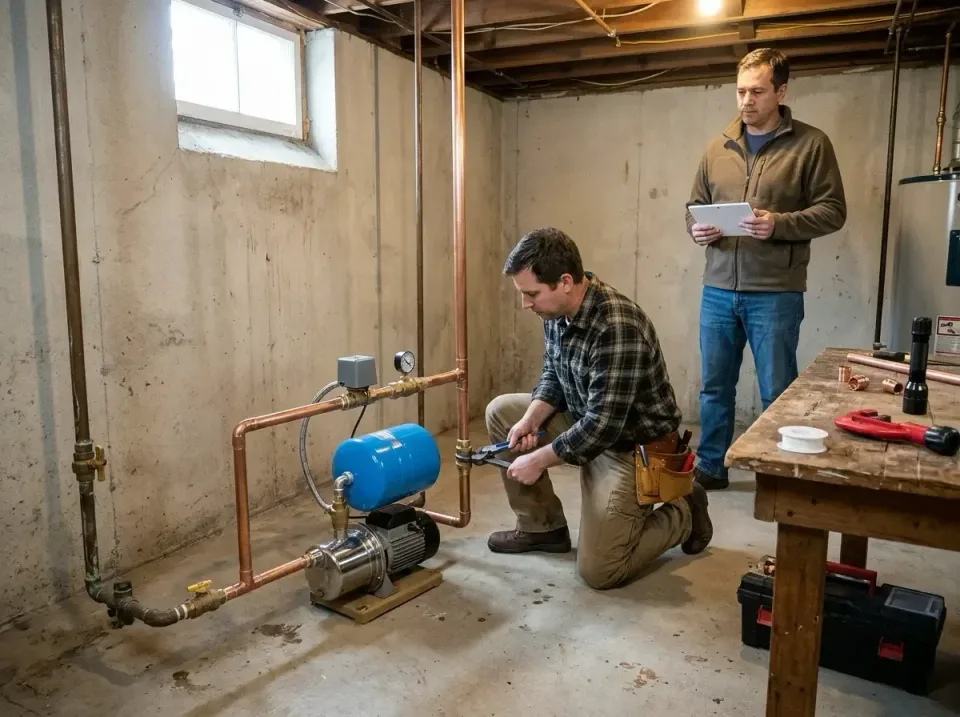
A pump should be sized to the supply, not chosen by guesswork. We plan Booster Pump Installation around the water source, required flow, pump location, and electrical connection, then explain what the scope includes before work begins.
A pump raises system pressure, but it cannot create water that a source does not provide. Severe storms can interrupt well pumps and booster systems, so after an outage we consider whether the trouble is electrical or a lasting supply issue.
Near Birmingham-Shuttlesworth International Airport, a property’s location is a useful reference for coordinating service, not a substitute for inspecting its plumbing. Coastal Alabama faces tropical storm and storm-surge risks; coastal owners should also consider how weather exposure affects equipment placement.
We’ll review the site and explain suitable options. Call (877) 773-0781 to discuss an installation.
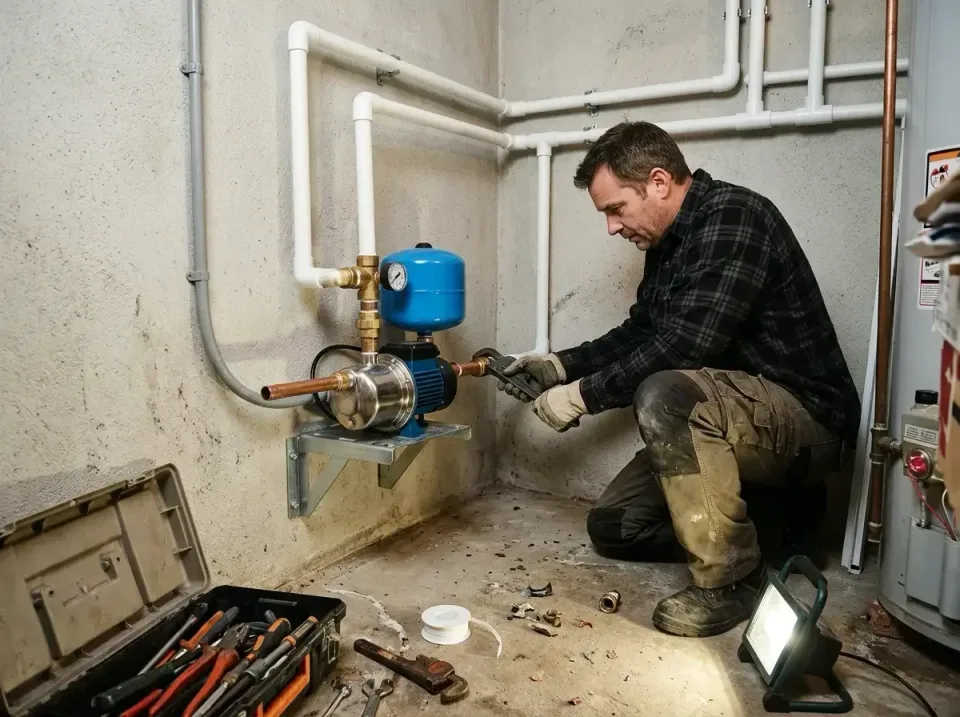
We begin by reviewing the water source, intended pump location, and the fixtures the system needs to serve. That first conversation helps us identify access and electrical questions before setting a site visit.
Next, we inspect the available connection points and discuss the pump’s capacity in relation to the property’s needs. At a home near the Alabama State Capitol in Montgomery, for example, the landmark helps orient service planning; it does not determine the equipment choice.
Where exposed pipes or hose bibs could freeze, freezing nights can burst them, so we consider vulnerable connections as part of placement planning. Cheaha State Park is a familiar regional reference for coordinating work across Alabama, while the property itself determines access and scope.
We then explain the proposed installation and confirm what the work includes. After installation, we check operation and review basic use with the customer. Timing depends on access, equipment availability, and electrical requirements; we’ll discuss those details before scheduling.
A property near Downtown Montgomery may need more than a pump selected from a box label; the source, demand, and installation location all matter. Getting those wrong can leave flow disappointing or create avoidable rework.
We size the proposed equipment to the job and review the electrical connection and water piping before installation. A rushed setup can overlook how the pump will connect to the existing system, so we explain the scope and any site limitations before proceeding.
Near Ivy Green in Tuscumbia, a named location can help us coordinate a service visit, but it cannot replace property-specific measurements. Noccalula Falls Park in Gadsden is another regional reference for service coordination; each home still needs an individual equipment plan.
At Point Mallard Park in Decatur, as elsewhere, the homeowner should have clear access to the proposed work area. We’ll walk through the options in plain language and complete only the agreed work.
A home with weak flow may need a small pump or a larger system with more involved electrical work; the equipment and connection scope shape the quote. A typical booster pump installation is $800–$2,500, with pump capacity and electrical work among the main price drivers.
We also consider access to the installation point, the condition of existing connections, and any work needed to fit the selected equipment. Northern Alabama experiences occasional hard freezes, so exposed locations may call for extra attention to placement and protection.
At Redstone Arsenal in Huntsville, the landmark can help orient service coordination, but site access and the property’s actual setup determine the work. Rosa Parks Museum in Montgomery provides another familiar location reference for planning service across the state.
Alabama rainfall varies across coastal and inland areas, so water-source conditions can differ by property. Final quotes vary by repair scope, parts, access, and site conditions. Call (877) 773-0781 for a quote based on your installation.
Low Gauge Reading
Before: A pressure gauge reads unusually low, leaving the homeowner unsure whether the pump, tank, regulator, or water source is involved. The reading alone does not identify the cause or show which equipment may need attention.
After: A technician tests pressure at an accessible hose bib, records readings with fixtures closed and flowing, and checks the water source and related equipment. The customer gets a diagnosis and repair options explained before work begins.
The team coordinates appointments from Montgomery and schedules service across Alabama, allowing for travel time between metro areas and rural communities. Ask about the expected appointment window and how updates are handled so you can plan for the technician's arrival.
The team reviews the diagnosis and repair options with the customer before work begins. Ask how the agreed scope will be documented and whether changes require your approval. This helps keep expectations clear if inspection reveals additional work beyond the installation plan.
For a pump installation near Downtown Florence, Guntersville City Harbor, or Helen Keller Birthplace in Tuscumbia, call Alabama Plumbing Pros at (877) 773-0781 to review the scope.
Yes, heavy rainfall can raise groundwater around wells, so the well’s condition and equipment location are worth discussing before choosing a pump. Share any recent changes in the water source so the proposed installation reflects the site.
Mild winters dominate much of central Alabama, but the equipment still needs a suitable location and protected connections. A customer near Alabama Shakespeare Festival in Montgomery can use that landmark to orient service, while the home’s actual installation area guides the plan.
Yes, summer heat increases evaporation and outdoor irrigation demand, which can change how much water a property uses at busy times. Tell us whether irrigation runs alongside household use so pump capacity can be discussed in context.
Not necessarily; a pump raises system pressure but does not increase the amount of water a well can provide. Near Selma Interpretive Center, as elsewhere in Alabama, the well and household demand need consideration before installation.
The landmark alone does not determine placement; equipment location depends on the property, connections, and exposure. Southern Alabama winters are generally milder, but the installation still needs a suitable protected location and a clear scope.
Select a city to find local low water pressure repair providers we cover in Alabama.