Water Pressure Diagnosis in Weaver, AL
We test static and flowing pressure for homes; access and the number of test points shape a typical $90–$200 diagnostic visit.
A shower that weakens when a toilet flushes can point to a pressure problem, not just a troublesome fixture. In Lenlock, our crew checks the water system and affected taps before recommending a repair.
Weaver High School and the Chief Ladiga Trail are familiar local reference points; our service is for Weaver homes, not a general regional listing. We check whether weak flow is isolated to one faucet or affects the whole house, then explain what we found in plain language. Quick guesses waste time.
Frequent thunderstorms can bring lightning and brief power outages, so a well system or pump may need checking after an interruption. If you are near Weaver City Hall or the Weaver Public Library, our team can schedule a visit and route the call through dispatch.
Call (877) 773-0781 to describe the pressure change and arrange service in Weaver.
We test static and flowing pressure for homes; access and the number of test points shape a typical $90–$200 diagnostic visit.
We repair residential booster pumps, checking pump controls and connections; repair costs depend on pump size, parts, and access, with many jobs around $150–$500.
We trace sudden pressure loss for homeowners, checking household supply and connections; storm interruption near Point Mallard Park or Toomer's Corner can affect pumps and systems.
We install residential booster pumps sized for the system; typical projects run $800–$2,500, depending on pump capacity and electrical work.
We clear showerhead restrictions and address weak flow; typical repairs run $150–$500, depending on access and parts. Southern Weaver, AL winters are mild, but summer irrigation can strain household use.
We restore weak well pressure for homeowners, checking pump controls and pressure equipment; typical repairs run $150–$1,200, depending on parts and well access.
We repair leaking home water lines, including buried sections; typical jobs run $300–$2,000, driven by leak location and excavation access.
Hot-water flow repairs for homes, including checks of heater connections and hot-side piping; scope and access shape the job cost.
Clogged water pipe repair clears debris and scale from residential lines; typical jobs run $150–$600, depending on pipe access and blockage severity.
We repair or replace residential pressure tanks, including tank and piping work; replacement commonly runs $500–$1,500, depending on tank capacity and piping access.
We repair or replace residential pressure regulators, including brass valves; typical work runs $250–$700 depending on valve size and labor. Nearby Bellingrath Gardens and Home, Bryant-Denny Stadium, and Chewacla Stat...
We repair whole-house filter housings, seals, and cartridge connections; Chewacla, the Tennessee Valley Museum of Art, and the University of Weaver, AL help orient statewide service.
Well pump repairs for homeowners cover pump and control issues; typical jobs run $250–$1,200, depending on equipment access and parts.
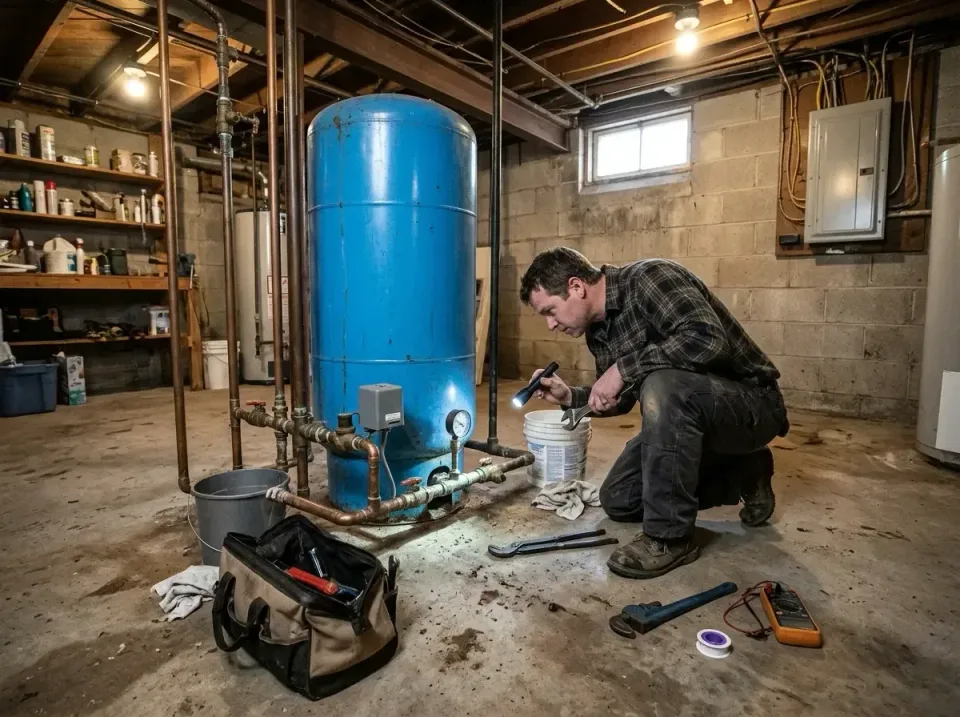
At Weaver City Hall, residents expect practical answers; our crew brings that same plain-speaking approach to low-pressure calls. Heavy rainfall can raise groundwater around wells, so we ask whether the home uses a well and whether the change followed wet weather. That detail helps narrow the inspection.
Hot, humid summers can increase household water use, making an existing flow problem more noticeable during busy periods. Severe storms can interrupt well pumps and booster systems, so we ask about outages before testing equipment. We respect the home and schedule, explain the options, and complete only the agreed work.
When water pressure drops throughout a Weaver home, note which taps are affected and whether the change followed a storm. Spring storms may cause localized flooding, and our crew asks about water entry or recent changes before tracing the supply. Alabama rainfall varies between coastal and inland areas, so we assess the Weaver property rather than assume conditions elsewhere explain the problem.
High humidity can speed corrosion on exposed plumbing; we inspect accessible pipework for visible deterioration and signs that flow is restricted. A homeowner can safely compare two faucets and note whether both run weakly. We then test the system and explain the repair that fits the findings. Coverage includes Weaver, AL.
Frequent spring storms can complicate a pressure call in Weaver, particularly when a home has exposed outdoor plumbing connections. Freeze-thaw cycles can stress those connections; tell our team if an outdoor tap or visible fitting began leaking after a temperature swing. We check the accessible supply and pressure equipment before identifying a repair.
Drought can reduce private well yield, so a household relying on a well may notice flow weaken as water demand continues. A safe first check is to see whether the pressure issue affects several fixtures, without opening pump equipment.
Near the Chief Ladiga Trail, our service remains focused on the individual property rather than assuming every home has the same water source. Hurricane-season coastal wind and heavy rain describe coastal conditions, not a specific Weaver forecast; we use the home’s observed symptoms to guide the work.
A pressure-reducing valve may be required when incoming pressure exceeds 80 psi under IPC Section 604.8. At a Weaver home, our crew distinguishes static pressure with no water flowing from dynamic pressure while water is running; the two readings can reveal whether demand changes the result. That measurement matters.
The EPA Lead and Copper Rule applies to public water systems, not as a blanket household repair permit, but water-system work must respect applicable requirements. For work that is regulated, skipping required approvals or inspections can leave an owner with unresolved compliance issues.
Our team checks which requirements apply to the job, explains the scope, and coordinates the appropriate steps before proceeding. Weaver customers can ask us to clarify the planned work before scheduling.
Alabama Plumbing Pros traces the cause and explains the repair before work begins.
The team checks fixtures, supply lines, pumps, tanks, and regulators to trace weak pressure before recommending a repair. That diagnostic approach helps keep the discussion focused on the source, rather than replacing equipment without a clear reason.
After diagnosing the issue, the technician reviews the findings and repair options with you before work starts. You can ask questions and agree on the scope, so the work is clear before anything is changed.
Work across Alabama brings experience with older plumbing and rural well systems, including pressure tanks and household regulators. The team coordinates appointments from Montgomery and plans for travel between metro areas and rural communities.
The technician checks the water system, explains the findings, and completes agreed repairs.
Discuss Symptoms
When you call, describe where pressure feels weak and whether the issue affects one fixture or more. The team coordinates an appointment and accounts for travel time, so you know what to expect for the visit.
Check Pressure
The technician tests pressure at an accessible hose bib, recording readings with fixtures closed and flowing. This gives you a useful starting point for understanding whether the issue appears limited or affects the broader system.
Trace The Cause
The technician checks fixtures, supply lines, pumps, tanks, and regulators, and confirms the water source before pump troubleshooting. You get an explanation of the diagnosis and repair options before any work begins.
Complete Agreed Work
Once you approve the repair scope, the technician completes the agreed work and reviews what was addressed. You can ask about the findings and get practical guidance on the system before the visit ends.
Flow that changes when no fixture is running can be an early clue that pressure is not staying steady. Note when it happens and which faucets are affected; those details help distinguish a fixture issue from a wider system concern.
Air or sputtering at a faucet can signal an interruption in steady water delivery. Pay attention to whether it happens at one fixture or several, and whether it continues after the faucet has run briefly.
A washing machine or dishwasher that takes longer to fill may point to a developing flow issue. Check whether nearby faucets behave normally, and note any change over time instead of assuming the appliance itself is at fault.
Frequent spring storms can make it useful to check a well system and its controls if water flow changes after rough weather. A technician can assess the water source and related equipment, then explain whether any repair is needed.
Alabama's hot summers are a practical time to check pressure concerns that appear during everyday household water use. A technician can inspect fixtures and system equipment, explain the likely cause, and discuss repair options without waiting for a larger interruption.
Fall is a useful time to address a pressure concern before household routines change. A technician can check the accessible pressure point, fixtures, and relevant system equipment, helping you understand whether the cause is local to a fixture or farther upstream.
Winter visits can help clarify pressure changes before plumbing gets more regular indoor use. A technician can review fixtures, supply lines, and applicable well equipment, then explain the diagnosis and agreed repair scope in plain language.
Permit needs depend on the work and local requirements. Clarifying this before work begins helps you understand whether an approval is needed, who is responsible for it, and whether the proposed scope accounts for that requirement.
The team schedules service across Alabama from Montgomery and allows for travel between metro areas and rural communities. Asking about the appointment window and updates helps you plan around the visit and know how schedule changes are communicated.
Ask which fixtures and system components will be checked, and what work is included in the proposed scope. A clear explanation helps you distinguish diagnostic testing from repairs and understand what you are agreeing to before work starts.
Clear access to fixtures, supply lines, equipment, and shutoff valves can help the technician inspect the relevant parts of the system. Ask what areas need to be reachable so you can prepare without moving unrelated items.
Ask how the agreed scope, changes, and any written terms are presented before work starts. Understanding those details helps you know what has been approved and gives you a chance to ask questions before the technician proceeds.
Request a quote online or contact our Weaver, AL team directly by phone or email.
When both fixtures run, the added demand can expose a pressure or flow restriction. Note whether other taps in your Weaver home also weaken; our crew checks the supply and accessible plumbing before recommending a repair.
See whether other faucets have normal flow. If only the kitchen tap is affected, check that its shutoff valves are fully open and look for visible debris at the faucet screen; do not force a stuck valve. Our team can inspect further if flow remains low.
Yes. Alabama Plumbing Pros schedules low-pressure service for Weaver, including homes in Lenlock. Tell us which fixtures are affected and whether your property uses a well so our team can prepare for the visit.
Low Water Pressure Repair is also available in these nearby communities across Alabama.